
Introduction
Few innovations in modern football have sparked as much debate as VAR. Fans either love it for catching game-changing errors or hate it for interrupting the flow of the match. Whatever your view, understanding how VAR actually works will help you follow the game and the arguments about it a lot better.
What Does VAR Stand For?
VAR stands for Video Assistant Referee. It’s a team of off-field officials who use video replays to help the on-field referee make correct decisions on key incidents. VAR doesn’t replace the referee it supports them by flagging clear and obvious errors.
What Situations Can VAR Review?
VAR is only used to review four types of incidents:
- Goals – Checking for offside, fouls in the buildup, or the ball going out of play before a goal.
- Penalty decisions – Confirming or overturning penalty awards.
- Red card incidents – Reviewing direct red card offenses (not second yellow cards).
- Mistaken identity – Correcting cases where the referee books or sends off the wrong player.
How the VAR Review Process Works
When a reviewable incident happens, the VAR team watching multiple camera angles in a separate video operations room communicates with the referee via headset. There are two main outcomes:
- VAR-only review – The VAR team reviews the footage and advises the referee, who can accept the recommendation without watching the replay themselves.
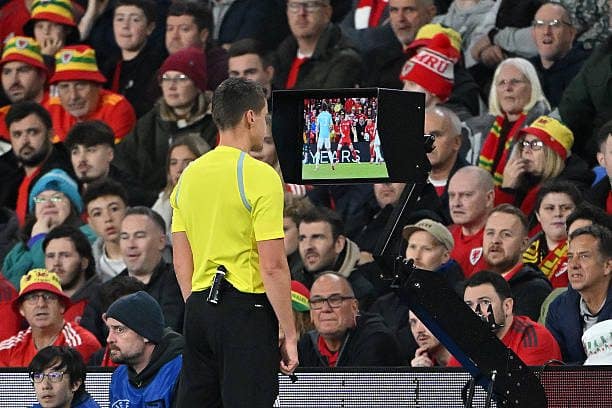
- On-field review (OFR) – The referee is advised to check the pitch-side monitor personally before making the final call. This is signaled by the referee making a rectangle shape with their hands — the “TV signal.”
Importantly, the final decision always rests with the on-field referee, not the VAR team.
Common Criticisms of VAR
- Slows down the game – Reviews can take several minutes, breaking up the flow and celebration moments.
- Subjective calls remain subjective – Handball and “clear and obvious” thresholds are still judgment calls, so controversy hasn’t disappeared.
- Offside lines – Tight offside calls decided by fractions of a limb have drawn criticism for being overly technical.
- Lack of transparency – Fans in the stadium often don’t know what’s being reviewed or why, though many leagues have since introduced stadium announcements and graphics to help.
VAR Across Different Leagues
VAR implementation isn’t identical everywhere. Some competitions use semi-automated offside technology to speed up decisions, while others still rely on manual line-drawing. Lower divisions and many domestic cups in various countries don’t use VAR at all due to cost. Always check your specific league or competition’s current rules, as implementation continues to evolve season to season.
Frequently Asked Questions
Does VAR replace the referee?
No. VAR only advises the referee on clear and obvious errors the final decision is always made by the on-field referee.
Can VAR review yellow cards?
No. VAR can only review red card incidents (direct reds and mistaken identity), not yellow cards or second-yellow send-offs.
Why does VAR take so long sometimes?
Reviews involve checking multiple camera angles and, in some cases, the referee walking to the pitch-side monitor to view the incident personally before making a final call.
What is the “TV signal” referees make?
It’s the rectangle shape referees draw with their hands to indicate they’re going to review a decision on the pitch-side monitor.